Boost Your Dog's Behavior With These Proven Dog Training Approaches and Resources
Improving a dog's behavior is crucial for an unified relationship between family pet and proprietor. Various training techniques can be carried out, concentrating on favorable reinforcement and consistency - Off Leash K9 Training 30A. Recognizing canine behavior lays the foundation for efficient training. This conversation will certainly cover necessary commands, the relevance of socializing, and just how to address common problems. As these techniques unfold, the course to a well-adjusted friend becomes clearer. What details obstacles might develop in this trip?
Recognizing Pooch Behavior
Understanding canine behavior is vital for effective dog training, as it allows fitness instructors to react suitably to a dog's reactions and demands. Canines interact through body movement, articulations, and actions, making it crucial for fitness instructors to observe and analyze these signals precisely. Identifying indicators of excitement, worry, or tension aids trainers adjust their methods to develop a favorable knowing atmosphere. In addition, recognizing a dog's type characteristics and private personality can significantly influence training methods. Reliable instructors take time to construct count on and develop a bond with the dog, promoting collaboration. This fundamental expertise of canine behavior not only improves training success but additionally fosters a much deeper connection in between the dog and trainer, ultimately bring about a more harmonious relationship.
The Power of Positive Reinforcement
Positive reinforcement is a powerful device in dog training, promoting wanted actions with incentives as opposed to penalty. This method not just improves the bond in between the dog and fitness instructor yet additionally enhances the likelihood of effective understanding - Dog Trainer Near Me. Numerous methods can be used to optimize the efficiency of favorable reinforcement, making certain a more pleasurable training experience for both celebrations included
Benefits of Positive Support
Strategies for Reliable Training
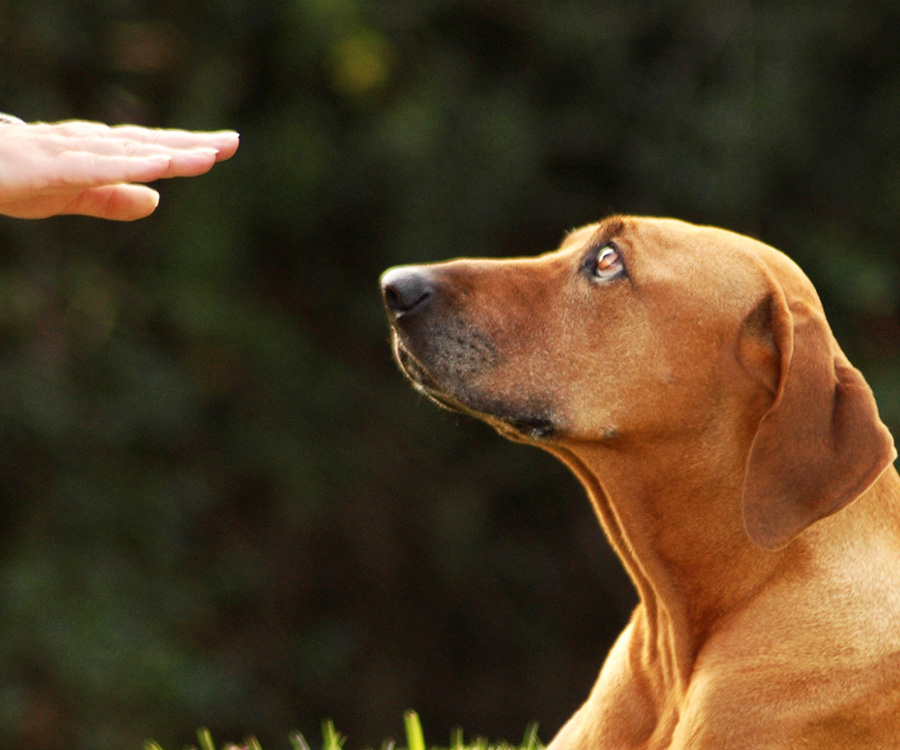
Reliable training counts on a range of strategies that harness the power of favorable reinforcement. This method encourages wanted habits by gratifying dogs with treats, appreciation, or playtime quickly following the correct action. Timing is necessary; incentives must be provided immediately to develop a clear link between behavior and reinforcement. Uniformity further improves performance, as pet dogs find out finest via duplicated direct exposure to particular hints and rewards. Furthermore, varying benefits can preserve a dog's rate of interest and inspiration. Integrating clicker training is an additional efficient technique, as it offers a distinctive audio that notes the wanted behavior. By making use of these techniques, dog proprietors can foster a favorable learning environment, bring about improved behavior and a more powerful bond between them and their animals
Fundamental Commands Every Dog Must Know
Recognizing basic commands is fundamental for efficient dog training. These necessary commands not only boost interaction between the dog and the owner but likewise promote security and good behavior. Educating methods, together with the importance of uniformity and perseverance, play an important role in grasping these commands.
Important Commands Overview
A trained dog can considerably enhance the bond between animal and proprietor, making essential commands vital for each canine buddy. Fundamental commands such as "rest," "stay," "come," and "down" form the structure of reliable interaction between pets and their owners. These commands not only guarantee the security of the dog yet likewise promote etiquette in numerous circumstances. "Leave it" is another crucial command, helping to protect against pet dogs from involving with potentially harmful items or substances. On top of that, "heel" encourages proper leash manners, improving walks and trips. Understanding these basic commands promotes a considerate relationship, making everyday communications more delightful and convenient. Eventually, these commands function as tools for much better understanding and cooperation in between pet dogs and their people.
Training Strategies Described
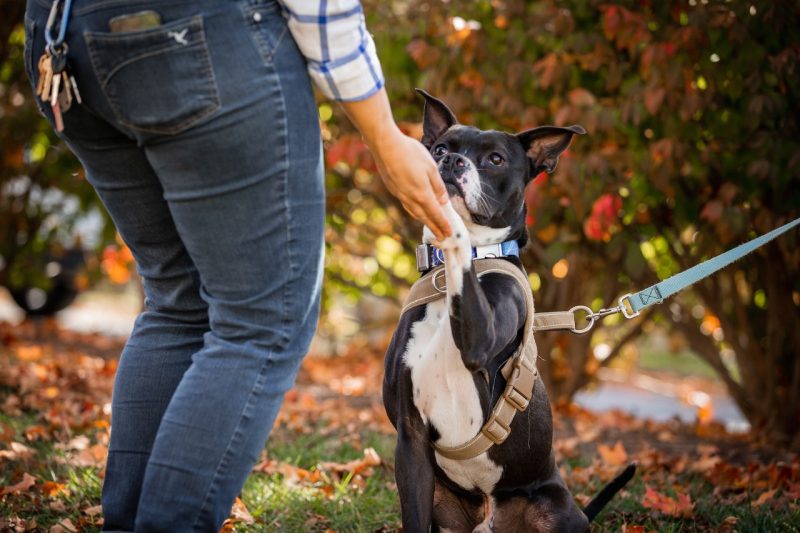
Training techniques for fundamental commands are vital for cultivating a mannerly dog. These foundational commands include "sit," "stay," "come," and "down," which are essential for safety and effective interaction. Utilizing positive reinforcement, such as deals with or praise, assists pets connect these commands with incentives. When instructing "rest," the instructor can carefully direct the dog right into a sitting position while stating the command. Repetition and steady progression are essential; pets ought to understand one command prior to moving on to an additional. Additionally, utilizing hand signals together with spoken commands can boost understanding. Educating sessions ought to be short and interesting to keep the dog's focus. Grasping these standard commands establishes a strong bond in between the dog and proprietor while guaranteeing an unified living setting.
Uniformity and Patience Significance
Uniformity and patience are vital components in the trip of training standard commands to canines. When training, it is essential that proprietors apply the same commands and hints constantly to avoid puzzling their pets. Pets grow on routine, and clear, repeated directions help strengthen knowing. In addition, patience permits for progressive development, as every dog learns at its own speed. Rushing the procedure can cause stress for both the dog and owner, potentially preventing the training experience. Normal practice, combined with favorable reinforcement, produce an encouraging setting that cultivates trust and understanding. Eventually, a patient and consistent technique not just improves the dog's capacity to find out commands yet also reinforces the bond in between the dog and its owner.
Creating a Consistent Training Set Up
Developing a regular training routine is crucial for reliable dog training. A distinct routine helps canines recognize when to expect training sessions, cultivating much better behavior and discovering. Preferably, training needs to occur at the same time each day, allowing both the dog and trainer to prepare emotionally and physically. Short, frequent sessions are more advantageous than longer, occasional ones, as they preserve the this post dog's focus and enthusiasm. Including various commands and tasks within the schedule can maintain the training engaging. Furthermore, uniformity in the instructor's commands, benefits, and signs strengthens knowing. By adhering to an organized timetable, dog proprietors can cultivate discipline and enhance their pet dog's responsiveness, eventually bring about a mannerly friend.
Using Educating Tools and Resources
How can dog owners improve their training sessions? Using training devices and resources can significantly enhance effectiveness. Clicker training gadgets, as an example, offer instant comments, strengthening positive behavior. Treats, playthings, and training collars can also act as inspiration for canines, aiding in quicker knowing. Online platforms and apps provide organized programs, permitting owners to accessibility professional guidance and track progress. Furthermore, educational video clips and publications existing numerous strategies, helping proprietors diversify their strategy. Regional training courses give hands-on experience and foster neighborhood assistance, while dog training blog sites and online forums can share useful insights. By efficiently incorporating these resources and tools, dog proprietors can produce a more appealing and productive training atmosphere for their pets.
Socialization: The Key to a Well-Behaved Dog
While many factors contribute to a well-behaved dog, socializing stands apart as an essential aspect in forming a pet's behavior and character. Early direct exposure to various settings, individuals, and other pets helps canines create self-confidence and flexibility. By introducing pups to varied circumstances, such as various noises and views, they learn to browse the globe without worry or aggressiveness. Socialization likewise helps in reducing anxiousness and preventing behavioral problems later on in life. Routine interactions with various other pets and people foster favorable experiences, promoting tranquil and pleasant behavior. Eventually, a well-socialized dog is most likely to personify the qualities of a well-adjusted companion, making socializing an important aspect of responsible pet dog possession and training.
Repairing Common Behavioral Issues
A well-socialized dog is much less most likely to display behavior problems, however challenges can still develop. Usual issues include extreme barking, chewing, and aggressiveness. Comprehending the origin creates is vital for reliable troubleshooting. Too much barking might stem from dullness or anxiety; normal exercise and psychological stimulation can aid minimize this behavior. Chewing usually shows a need for appropriate electrical outlets, such as toys or training to reroute focus. Aggressiveness can be a lot more intricate, demanding expert guidance to guarantee safety and security. Visit Your URL Dealing with these concerns requires persistence, consistency, and positive support strategies. Owners ought to likewise monitor their canines' atmospheres for triggers and execute progressive desensitization approaches. Eventually, each dog is distinct, requiring tailored approaches for effective behavior alteration.
Frequently Asked Concerns
For how long Does It Take to See Outcomes From Dog Training?
Are There Age Restrictions for Starting Dog Training?
There are no rigorous age restrictions for beginning dog training. However, early socialization and basic obedience training are commonly a lot more efficient when started during a young puppy's crucial developing period, generally in between eight weeks and 6 months.
Can I Train My Dog Myself or Should I Employ a Specialist?
Training a dog independently is possible, yet employing a professional can offer beneficial support and experience. The choice relies on the owner's experience, time commitment, and the dog's details behavioral requirements and training objectives.
What Should I Do if My Dog Rejects to Listen?
When a dog rejects to listen, the proprietor must continue to be tranquil, reassess training approaches, and consider dog training for service dog simplifying commands. Uniformity, positive reinforcement, and perseverance are vital to boost communication and encourage the dog to react better.
Exactly How Can I Maintain Training Sessions Enjoyable for My Dog?
To keep training sessions fun, incorporate video games, make use of favorable reinforcement, vary activities, and keep short periods. Involving with playthings or deals with can inspire the dog, enhancing their pleasure and desire to take part in training.
Understanding canine behavior is necessary for efficient dog training, as it enables fitness instructors to respond properly to a dog's requirements and reactions. Comprehending fundamental commands is basic for reliable dog training. Establishing a consistent training schedule is necessary for efficient dog training. Local training courses supply hands-on experience and foster area assistance, while dog training blog sites and forums can share beneficial understandings. When a dog rejects to listen, the owner must remain tranquil, reassess training techniques, and take into consideration streamlining commands.